
Cultural perspectives on gambling Understanding the diverse beliefs and practices around the world
Introduction to Cultural Perspectives on Gambling
Gambling is a practice that transcends borders, influencing societies in diverse ways. Each culture has its unique beliefs, rituals, and attitudes toward gambling, shaped by historical, social, and religious factors. Understanding these cultural perspectives allows for a deeper appreciation of how gambling is perceived globally, from celebratory events to stigmatized activities. For those interested in online gaming, it can be exciting to discover the best australian online casino options available today.
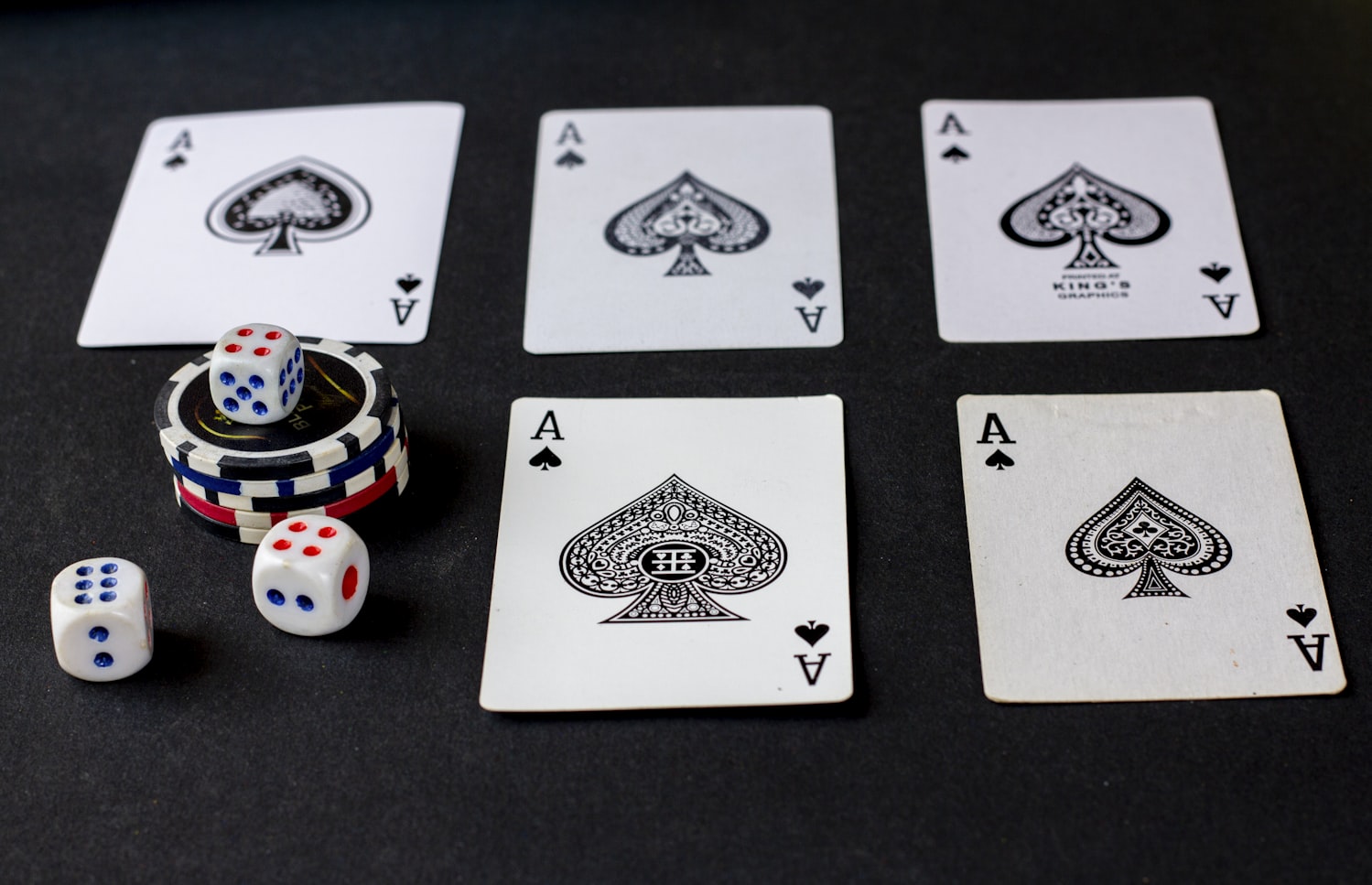
In many societies, gambling is intertwined with social gatherings and entertainment, while in others, it may be seen as a vice or a source of moral decay. The divergent beliefs about gambling highlight how culture informs individual and collective behaviors in various contexts.
The Role of Religion in Shaping Attitudes
Religion often plays a pivotal role in determining the acceptability of gambling within a culture. For example, in predominantly Muslim societies, gambling is largely prohibited due to religious doctrines that view it as sinful. Conversely, in many Western cultures, gambling is seen as a form of recreation and is often sanctioned by law.
These religious frameworks not only affect personal beliefs but also influence legal systems and societal norms surrounding gambling. The nuances of these religious impacts reveal a complex landscape where faith and leisure intersect, shaping how communities engage with gambling.
Historical Influences on Gambling Practices
Historically, gambling has evolved through various stages, influenced by economic conditions and societal changes. In ancient civilizations, gambling was often tied to rituals and divination, reflecting the belief in fate and fortune. For instance, dice games found in archaeological sites suggest that gambling has roots in human behavior predating modern societies.
As societies progressed, gambling transformed into structured forms, like lotteries and casinos, reflecting changes in governance and community structure. This historical context provides insight into how current gambling practices can be traced back to ancient customs and beliefs, informing modern perspectives.
Cultural Celebrations and Gambling
In several cultures, gambling is integrated into celebrations and festivals. Events like the Chinese New Year are accompanied by various forms of gambling, symbolizing luck and fortune for the coming year. Such practices serve not only as entertainment but also as a means of fostering community spirit and cultural identity.
These cultural celebrations highlight the multifaceted role of gambling, showcasing its capacity to unite individuals while also reflecting broader societal values. In this way, gambling can be both a personal endeavor and a communal activity, reinforcing bonds within cultural contexts.

Exploring Responsible Gambling Practices
As gambling continues to evolve, there is a growing emphasis on responsible gambling practices worldwide. This focus is essential in addressing the potential negative impacts of gambling addiction and ensuring that players can enjoy gaming in a safe environment. Many cultures are adopting measures to promote responsible gambling, educating communities about risks and providing support systems.
Websites and platforms dedicated to gambling have started incorporating resources that prioritize player safety and well-being. By encouraging informed decisions and responsible behavior, these initiatives aim to cultivate a balanced approach to gambling, fostering a healthier relationship with this age-old practice.