
They can help regulate bowel movements, prevent constipation, and improve gut health. Lentils are some of the oldest cultivated crops in the world, and remain a popular staple food in many cultures. Yellow lentils, also known as chana dal or split bengal gram, are a type of pulse that have a slightly sweet, nutty flavor and a buttery texture. Lentils help combat the acidic environment of the gut and promote healthy bacterial growth. This is important for nutrient absorption and naturally preventing IBS, indigestion, constipation and many other diseases, too.
Avoid These 3 Costly Cooking Mistakes
Trypsin is needed to help break down proteins into amino acids in your body, so inhibiting this enzyme means that protein will not be broken down as efficiently. Summary of in vitro, in vivo and clinical studies on the anticancer and chemopreventive effects of polyphenol-rich lentils. 1 serving (100 grams) contains 352 calories, 25.0 grams of protein, 1.1 grams of fat, and 60.0 grams of carbohydrates. Producing one pound of lentils requires just 43 gallons of water compared to 1,800 gallons for beef—a 97% reduction. Every lentil meal I serve instead of meat represents tangible environmental benefit. Fresh herbs added at the end—cilantro, parsley, or mint—provide aromatic lift that dried herbs can’t match.
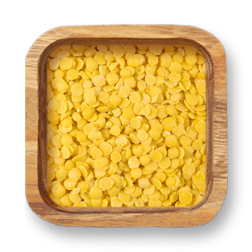
Healthy Fat
By incorporating yellow lentils into your diet, you can reap the many health benefits they offer while enjoying delicious and flavorful meals. One cup of cooked yellow lentils provides approximately 18 grams of protein, making them a valuable protein source for vegetarians and vegans. Lentils are a versatile, nutritious, and affordable ingredient you can use in countless ways. From simple recipes like lentil soup to more complex dishes, lentils are a staple that belongs in every kitchen. Whether you choose green, brown, red, or black lentils, you’ll enjoy their nutty flavor and health benefits. Lentils may not always get the attention they deserve, but they are an affordable and nutrient-dense addition to any diet.
Lentils Nutritional Value:
Folate is particularly important for women of childbearing age, as it is needed to support increasing maternal blood volume. Eating lentils may help decrease your overall food intake, which could contribute to weight loss or maintenance. Lentils are very filling and appear to keep blood sugar levels steady (9, 17, 18). Eating half a cup of cooked lentils gives you lots of essential nutrients and their high fiber content makes you feel full. However, the fiber in lentils can be hard for your body to break down. Yellow lentils are an excellent source of nutrition and a versatile ingredient in many cultural cuisines.
How should I prepare lentils?
Studies demonstrate that regularly eating lentils reduces your risk of chronic disease such as diabetes, obesity, cancer and heart disease. This is thanks to their rich content of protective plant compounds called phenols – lentils being amongst the top ranked legumes for phenolic content. It comes as no surprise then that lentils boast an antioxidant, antibacterial, anti-viral and anti-inflammatory effect and are cardio-protective. Black lentils are smaller than other varieties but pack a powerful nutritional punch. They are high in antioxidants, plant-based protein, and fiber, which makes them a healthy choice for anyone looking to add more legumes to their diet. Their deep, earthy flavor pairs well with robust ingredients like garlic, roasted vegetables, or a drizzle of olive oil.
As a precautionary measure, rinsing your lentils before cooking and cooking them appropriately reduces the amount of phytate they contribute to your diet. Some people are concerned about lentils’ antinutrients, compounds that interfere with nutrient absorption. However, the term is misleading because all plants contain these nutrients, which have an effect only when consumed in extremely large quantities. The effects of these nutrients are negligible in the quantities you are likely to consume. Both in vitro (test tube) and human studies suggest lentils have anticancer properties and lentil intake may reduce the risk of certain cancers, including breast and colorectal cancer. Lentils have a glycemic index (GI) of about 35, although the number varies slightly depending on the type of lentil and whether or not they are cooked.
1. Anti-Diabetic Activity of Lentils
Additionally, it may be useful for making you feel full and satisfied after a meal, which can be especially beneficial for maintaining a healthy weight (8). Maintaining healthy blood sugar levels is essential for preventing diabetes and other chronic diseases. Yellow lentils are a great source of complex carbohydrates, which are digested more slowly than simple carbohydrates. This slow digestion helps regulate blood sugar levels, preventing spikes and crashes. Yellow lentils are an excellent food to include in a weight management diet because they are low in fat, high in protein, and fiber-rich.
- Both red and yellow lentils can be used as a substitute for meat in a vegetarian or vegan diet, due to their high protein and fiber content.
- Lentils are typically cheap to buy, can be stored for long periods, are easy to cook with, and provide numerous essential nutrients, making them an ideal part of your diet.
- They support heart health by improving cholesterol levels, aid digestion, and are an excellent source of energy.
- Another factor to consider when choosing between red and yellow lentils is their digestibility and the bioavailability of their nutrients.
- Even canned or frozen lentils are very inexpensive and can usually be found in organic varieties.
- No certifications, regulations, or safety warnings apply to lentil cooking ratios.
Though lentils, like all legumes, contain some antinutrients, dehulling and cooking the seeds greatly reduces the presence of antinutrients (23). High levels of homocysteine are another risk factor for heart disease. Because lentils are a great source of folate, they may help prevent excess homocysteine from accumulating in your body (12). Lentils are one of the oldest cultivated legumes, so it’s no surprise that Lentils have become an integral part of our diet around the world. They are also faster to cook due to their smaller size compared to beans as they do not have to be soaked before cooking. Lentils are highly versatile and inexpensive, which makes them highly selected form of high-quality protein.
Combining Yellow Lentils With Other Foods For Enhanced Nutritional Value
Whether you prefer green lentils, brown lentils, or split red lentils, there’s always a way to gently cook them into a dish you’ll love. Lentils are one of the oldest and most nutritious foods known to mankind, belonging to the legume family. They are packed with protein, fiber, vitamins, and minerals, making them an excellent addition to a variety of diets, including vegan, vegetarian, and flexitarian. The low cost and high nutritional value of lentils have made them a staple in many cuisines around the world, particularly in Indian and Middle Eastern cooking. Lentils are versatile, richly textured legumes that give any meal a boost of nutrition and heartiness. Their high-protein value and many nutrients make them worthy of being a cupboard staple for good health.
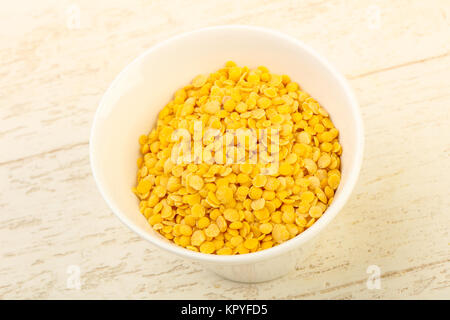
Pressure Cooking (Instant Pot / Electric Multi-Cooker)
Additionally, it may help regulate your blood sugar levels by helping the body break down carbohydrates into glucose. Also, adequate intakes of thiamine may play a role in preventing health conditions such as heart disease, cancer, diabetes, and obesity (6). In vitro and in vivo studies of polyphenol-rich lentils that exert antioxidant potentials are summarized in Table 5. There are various types of lentils, including green lentils, red lentils, brown lentils, black lentils (also known as beluga lentils), and French lentils (also known as Puy lentils).
Can I eat yellow lentil on a keto diet?
Iron plays an integral role in the formation of hemoglobin in blood and myoglobin in the muscles, both of which carry oxygen to the cells. That is why fatigue and tiredness are usually the first symptoms people notice when they are low in iron. Regularly including lentils in your diet can help boost your iron intake. A type of B-vitamin, folate helps support red blood cell formation and proper nerve functions. Folate also plays an important role in lowering artery-damaging homocysteine. In addition, the water-soluble vitamin may help prevent anemia and protect against developing heart disease, cancer, and dementia.
In parts of Europe, including Spain, lentil allergy is reported to be more common than peanut allergy. “Combine lentils with a source of vitamin C such as tomatoes, potatoes, bell peppers or Brussels sprouts to enhance the absorption of iron,” Homan recommends. However, phytic acid is also reported to have strong antioxidant and anticancer properties (26). Phytic acids, or phytates, can bind minerals such as iron, zinc, and reviews of unimeal calcium, reducing their absorption (25). Lentils contain tannins, which can bind to proteins and prevent the absorption of certain nutrients (23). Lectins can resist digestion and bind to other nutrients, preventing their absorption.
Green Lentils
Green lentils are also commonly found in supermarkets and have a similar taste with a peppery edge. There is some research suggesting the lectins in lentils may provide cancer-preventing properties. To determine whether red or yellow lentils are better for you, let’s examine their nutritional profiles more closely. No certifications, regulations, or safety warnings apply to lentil cooking ratios. Dried lentils are shelf-stable for 2–3 years in cool, dry, dark storage—but older batches may require longer soak times (not recommended) or increased liquid (recommended).