
Debunking popular myths in gambling what you really need to know
Understanding the House Edge
A common misconception among gamblers is that casinos manipulate games to ensure they always win. While it may feel this way at times, the reality is that every game is designed with a house edge, which is a built-in advantage that ensures the casino profits over time. This concept is crucial for players to understand, as it indicates that no matter how much skill is involved, the odds are always slightly tilted in favor of the casino. To make informed choices, many players look for strategies, including the stake us bonus drop code, which can improve their chances in the long run.
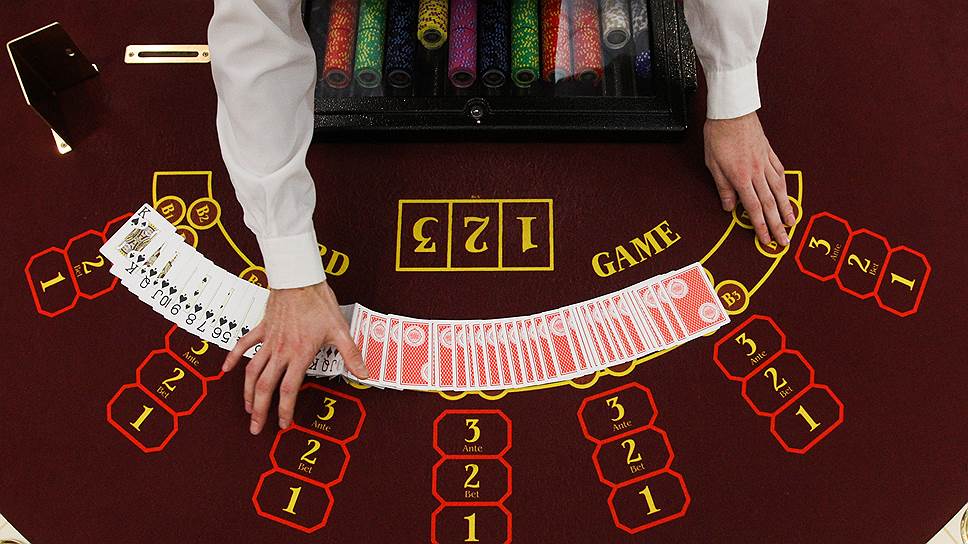
The house edge varies by game, and understanding it can help gamblers make more informed decisions. For example, games like blackjack and poker may have lower house edges compared to slot machines. Knowing the odds can help players manage their expectations and gambling habits effectively, leading to a healthier approach to gaming.
Chasing Losses is a Dangerous Game
Another prevalent myth in gambling is the belief that players can recover their losses by continuing to play. This idea, often referred to as “chasing losses,” can lead to significant financial consequences. The psychology behind this behavior stems from a desire to regain control, but it often results in deeper losses and a cycle of poor decision-making.
Instead of chasing losses, it’s crucial for gamblers to set limits and walk away when they’ve reached them. Having a disciplined approach not only protects finances but also promotes a more enjoyable gambling experience. Recognizing when to stop is just as important as understanding the games themselves.
The Illusion of Skill in Random Games
Many believe that skill can overcome luck in random games such as slots or roulette. While strategy can enhance the experience in skill-based games like poker or blackjack, the outcome of random games is solely dependent on chance. This misconception can lead players to rely on strategies or systems that promise to improve their odds, ultimately leading to disappointment.
It is important for gamblers to distinguish between skill-based and chance-based games. By understanding the nature of the games they are playing, they can set realistic expectations and avoid the frustration that comes with expecting skill to influence random outcomes.
The Gambler’s Fallacy
The gambler’s fallacy is a widely held belief that past outcomes affect future results in random events. For instance, if a roulette wheel lands on red several times in a row, some players may feel that black is “due” to occur. This misconception arises from a misunderstanding of probability and independence of events, as each spin is unrelated to the previous ones.
To combat the gambler’s fallacy, players must familiarize themselves with basic probability concepts. Recognizing that every event is independent can help gamblers avoid making irrational decisions based on previous results, leading to more rational and informed betting strategies.

Learning More Through Our Website
For those looking to deepen their understanding of gambling myths and strategies, our website offers a wealth of resources. We provide insights into game mechanics, statistical analysis, and psychological aspects of gambling to help players navigate the complex world of gaming more effectively.
By exploring our content, you can empower yourself with knowledge that demystifies common misconceptions. Whether you’re a novice or an experienced gambler, our goal is to enhance your gaming experience while promoting responsible gambling practices.