
The STP Passport Process STP Passport process is an important procedure that facilitates various activities, including travel, identification verification, and access to numerous services across the globe. This article seeks to provide an in-depth understanding of the STP Passport Process, covering its significance, the steps involved, and essential tips for a seamless experience.
What is the STP Passport Process?
The STP Passport Process involves the application, issuance, and management of passports under the Single Treaty Processing (STP) agreement. This agreement is aimed at standardizing passport issuance across participating nations to streamline the verification process and enhance security and efficiency in global travel.
Importance of the STP Passport Process
In today’s interconnected world, having a valid passport is crucial for international travel and identification. The STP Passport process not only simplifies the application routine but also upholds high security and verification standards. The following reasons highlight the significance of the STP Passport Process:
- Facilitated Travel: A standardized passport ensures that travelers can move seamlessly between borders without unnecessary delays or complications.
- Streamlined Application Process: The STP Passport Process is designed to minimize bureaucratic hurdles, making it easier for individuals to apply for and receive their passports.
- Enhanced Security: By adopting uniform standards for passport issuance, the STP Passport Process strengthens global security measures, helping to combat fraud and identity theft.
- Consistency Across Borders: Countries involved in the STP Passport Process adhere to shared guidelines, ensuring that all passports meet specific quality and security requirements.
Steps Involved in the STP Passport Process
While the specific steps may vary slightly from country to country, the general STP Passport Process incorporates the following key phases:
1. Application Preparation
The first step is gathering all required documents to support your passport application. This typically includes:
- A completed application form.
- Official identification, such as a birth certificate or a government-issued ID.
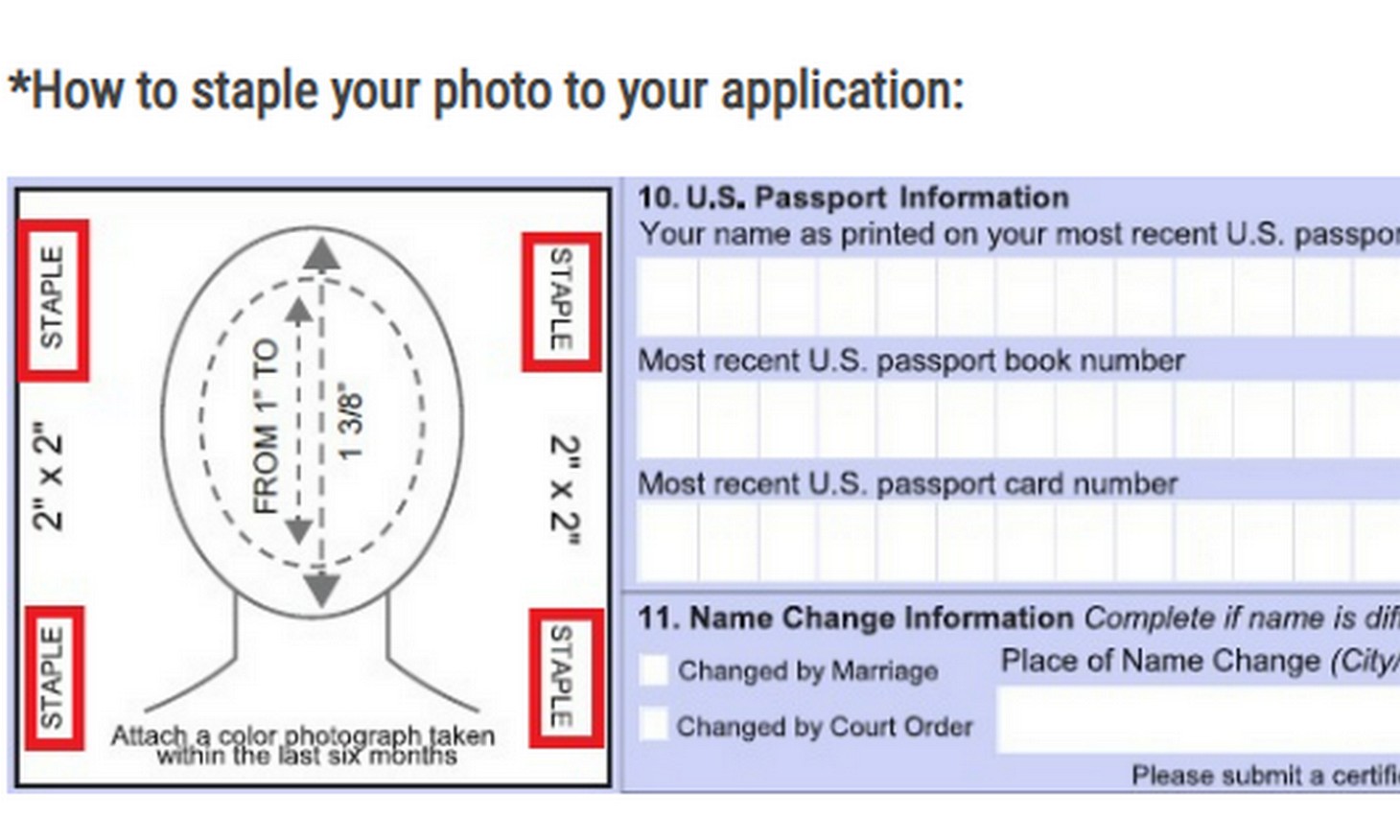
- Passport photographs that meet specific requirements.
- Proof of citizenship or residency.
It is important to check the specific requirements of your country or the issuing authority during this stage.
2. Submission of Application
Once all documentation is ready, the next step is to submit your application. This can often be done online or at designated passport offices. Be prepared to pay an application fee and, in some cases, an expedited processing fee for quicker service.

3. Processing Period
The processing time for passport applications can vary widely based on several factors, including the country of application, the volume of applications being processed, and whether you applied for expedited service. It is advisable to check processing timeframes and plan accordingly.
4. Passport Issuance
After your application has been approved, you will receive your passport either by mail or in-person, depending on the chosen delivery method. Always double-check the details in your passport to ensure accuracy before finalizing any travel plans.
5. Passport Renewal and Management
Passports have expiration dates and need to be renewed periodically. The STP Passport Process also includes provisions for passport renewal. It is crucial to keep your passport updated to avoid issues during travels.
Tips for a Smooth STP Passport Process
To ensure a hassle-free experience, consider the following tips while navigating the STP Passport Process:
- Stay Informed: Familiarize yourself with the specific requirements and procedures of your issuing authority. Laws and regulations may change, so it’s important to stay updated.
- Double Check Your Application: Accurate information is crucial. Errors can lead to application delays or rejections.
- Choose the Right Method of Submission: Depending on your urgency, evaluate whether to apply online or in person. Each method has its own advantages and processing times.
- Track Your Application: Most passport authorities offer tracking services. Utilize this feature to stay informed about the status of your application.
- Plan Ahead: If you’re planning to travel, apply for your passport well in advance to avoid last-minute delays.
Common Questions About the STP Passport Process
As you delve into the STP Passport Process, you may encounter some common questions.
1. How long does the STP Passport Process take?
Processing times can vary greatly. It is wise to check your country’s official guidelines for estimated processing times.
2. What should I do if my application is rejected?
If your application is rejected, you will typically receive a notification explaining the reason for the rejection. Follow the instructions provided to correct the issues and reapply.
3. Can I expedite my passport application?
Yes, many countries offer expedited services for an additional fee if you need your passport more quickly. Check with your local authority for specific options.
Conclusion
Understanding the STP Passport Process is essential for anyone traveling internationally or needing proper identification. By familiarizing yourself with the requirements and steps involved, staying informed, and preparing adequately, you can navigate the passport application process with ease. The STP Passport Process not only facilitates travel but also enhances security and consistency across borders, making it a vital component of global engagement.