
These nudges are usually based on a user’s past activity data and can come as gentle reminders or motivational messages. They make users feel more connected to their fitness journey and help them stay on track, even on off days. The appeal of gamified fitness apps lies in their ability to make each workout session satisfying. These apps leverage the https://www.reddit.com/r/fitbod/comments/1bauygp/alternatives/ human drive for achievement and progress by offering structured rewards and instant feedback. Gamified fitness apps make physical activity a game with points, rewards, and achievements for increased user engagement. In 2010 in addition to the preexisting challenges, Fitrockr added a system based on fitness levels.
- Charity Miles takes that idea and allows users to walk, run and bike for a wide array of charities and causes.
- This includes the Nike Run Club app, billed as providing what is needed to start running, keep running and enjoy running more.
- The app also provides lessons to learn about safe and effective strength training.
- We know that maintaining engagement with most apps can be challenging and a substantial fraction of app users will abandon the app within a few weeks.
- By walking around to different locations, you can catch Pokémon, hatch eggs by distance, and battle competitors.
- My 60-something, 90-pound jiu-jitsu instructor makes me improve my technique after she mops the floor with me.
How fast can I see progress?
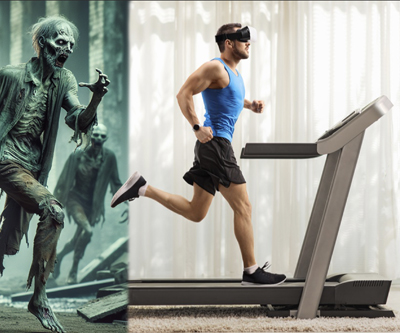
This narrative approach can make workouts feel like an integral part of an exciting adventure or quest, rather than a mundane task. Among the 32 applications that used gamification, we found no evidence that the design of rewards or points used the specified behavioral economic principles. The most frequently identified gamification design elements were goal-setting (78.1%), social influences (78.1%), and challenges (62.5%) (Table 2). Gamification was commonly used by popular health and fitness mobile applications, but none used the specified behavioral economic principles to design rewards or points.
Gamification in Fitness Apps: Transforming the User Experience
Fourth, the most commonly used gamification features focused on setting and achieving goals including ways to leverage social influences such as support, collaboration and competition. Gamification is often described as using points and levels,2,3 however, we did not find that this was used often. This information can help to better tailor future research in this field by better focusing the evaluation on features that are deployed within these applications.
Make Progress Feel Like Play
After coding each individual app for effective game elements, gamification components, and health behavior constructs, a final score was totaled for each category. Partnering with experts like The Octalysis Group offers a significant advantage in the realm of fitness gamification. Their expertise in behavioral science, tailored solutions, innovative approaches, data-driven strategies, and focus on long-term engagement make them an invaluable ally in creating effective and engaging gamified fitness programs. Their collaboration can transform the fitness experience, leading to higher adherence rates, improved health outcomes, and a more enjoyable journey towards fitness goals. Most applications that included gamification (97%) targeted behaviors related to physical activity and weight loss. Applications focused on other areas such as reproductive health, meditation, and sleep used gamification less often (11%).
Design & Decor, Featured Blog
That fact hasn’t been lost on app makers, especially developers in the health and fitness world. When you add in the fitness options that videogame systems like PlayStation, Nintendo and Xbox offer, there are a lot of ways to gamify your workout. Glo’s app is not only great to use but its functionality and elegant use of gamification is where it stood out for us.
Proven Gamification Strategies for Fitness Success
In conclusion, fitness gamification is transforming how we view and engage with exercise, making it more enjoyable and motivating through innovative features like challenges and rewards. As apps and devices continue to evolve, they are helping individuals stay committed to their fitness goals. One Health Assist is a prime example of how technology can be harnessed to promote a healthier lifestyle, providing users with the tools and motivation they need to succeed in their wellness journey. Gamification means adding game elements to something that is not originally intended as a game. We find gamification in learning apps (think Duolingo), but also in apps with the potential to support healthy behaviours. Adding gamification to an application will improve the engagement and will maintain interest in the app for longer.
Starting the app includes a walkthrough of the Nerd Fitness philosophy, where you earn experience (XP) points for completing different fitness objectives. Franchises such as The Hunger Games get referenced in the intro, so it’s especially welcoming to anyone who loves geeky stuff (as the name implies). After exploring every area of the map, you’ll find a treasure chest in the last spot. I actually did look at them, and maybe it’s my inexperience but it seemed that all the points were added in manually by the admin and I wasn’t sure if the users had an option to add their own points or collect them inside the app. ❗️Are prepared to take massive action, grinding through real-world challenges with the same intensity as in-game battles.
Running
Gamification in fitness apps has emerged as a powerful solution to this engagement crisis. By incorporating game-like elements such as points, badges, leaderboards, and challenges into workout experiences, fitness businesses can tap into the same psychological mechanisms that make video games addictive and enjoyable. While these features represent the cutting edge of fitness technology trends, traditional member engagement through excellent service remains fundamental. This approach transforms the often-intimidating world of fitness into an accessible, rewarding journey that keeps members coming back for more.
Content Overview
With elements like leaderboards, streaks, and personalized rewards, loyalty programs, they make fitness feel less like a chore and more like a game worth playing. As technology evolves, so will the opportunities to create even more immersive and rewarding experiences for users. Gamification’s effectiveness in the realm of fitness is deeply rooted in behavioral science, tapping into intrinsic human motivators such as achievement, recognition, and social belonging.
Social Components
This drive is particularly effective in creating a community atmosphere where achievements are celebrated and efforts are recognized. The Octalysis Group stands as a leader in the realm of gamification, particularly in the fitness industry. Gamification also leverages social elements to enhance the fitness experience.

Building Engagement Without Built-in Gamification
PerformanceIQ (PIQ) supports challenges in-studio with a visual guide covering distance, speed, heart rate, power, and energy. Case study highlighting how automated messaging systems improve member retention rates, featuring implementation strategies, message templates, and measurable results. Discover how automated reminders reduce gym no-shows by 30%, boost member retention, and save staff time with personalized multi-channel messaging.
Every time you take an action, it feels like you’re making progress in your own personal journey. A University of Missouri study showed that having an online avatar and embodying this virtual persona can have a motivational effect on offline health. Avatars are a common thing in PC and console games but they aren’t widespread in mobile apps. This could change, and some apps already gamify their service with custom avatars.