
The Allure of Risk and Reward
The psychology behind casino gambling often begins with the irresistible allure of risk and reward. Individuals are magnetically drawn to the thrill of potentially winning substantial amounts of money, which stirs a primal instinct for excitement and adventure. This desire for a life-changing win taps into the human psyche, where the mere thought of striking it rich in a matter of moments adds a seductive layer to the gambling experience. Many players are particularly interested in options that offer quicker payouts, such as casino fast withdrawal uk , as the vision of not only financial gain but also the luxurious lifestyle that may accompany such wins fuels the motivation to participate in gambling activities.
This attraction transcends mere monetary gain; it also fulfills a psychological craving for instant gratification. In today’s fast-paced society, where immediate results are often just a click away, the quick feedback loop provided by casino games satisfies a deep-seated hunger for rapid rewards. Each time a player places a bet or wins a game, their brain releases a surge of dopamine, creating feelings of pleasure and reinforcing the behavior. This neurochemical reaction can lead to compulsive gambling tendencies, illustrating the intricate interplay between psychological factors and the element of chance.
Furthermore, the casino environment itself amplifies this allure. The vibrant design elements—bright lights, engaging colors, and captivating sounds—are purposefully crafted to engage the senses and elevate the thrill of gambling. The constant barrage of winning sounds and visual stimuli creates an almost hypnotic atmosphere, drawing players into prolonged engagement with the games. This understanding of psychological manipulation reveals how easily individuals can become ensnared in the relentless pursuit of the next big win, often without fully grasping the risks involved.
The Role of Cognitive Biases
Cognitive biases significantly influence the decision-making processes involved in gambling. Many gamblers exhibit overconfidence, operating under the belief that they can predict outcomes based on past results. This illusion of control can lead players to overlook the mathematical realities of games and mistakenly attribute their wins to personal skill rather than sheer luck. For instance, a player might convince themselves they are “due” for a win after experiencing a string of losses, a common misconception known as the gambler’s fallacy. Such cognitive distortions can lead to harmful gambling behaviors, as they skew perceptions of reality.
The illusion of control is another prevalent cognitive bias that affects gamblers’ behaviors. Gamblers often believe that their actions can influence outcomes, particularly in skill-based games like poker. This false sense of agency can keep individuals engaged in gambling, leading them to chase losses in a futile attempt to regain control over their luck. The psychological implications of these biases can solidify harmful gambling habits, complicating efforts to quit or moderate gambling behavior.
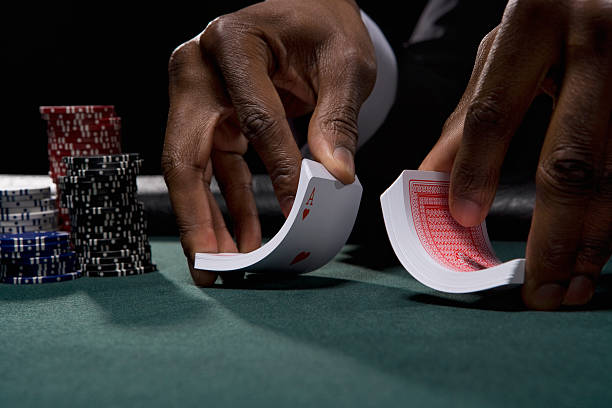
Additionally, anchoring is a cognitive bias that impacts how gamblers perceive value. A player might become fixated on a specific bet amount or a game type, which can hinder their ability to adjust their strategy when the situation calls for it. This fixation can result in ongoing losses and an inability to recognize when it’s time to stop gambling. Education about cognitive biases is crucial, as understanding these mental traps can empower individuals to make more rational decisions, promoting responsible gambling habits and healthier engagement with games of chance.
The Emotional Dynamics of Gambling
Emotions are at the core of the gambling experience, playing a vital role in shaping player behavior and decision-making. For many individuals, gambling serves as an escape from everyday stresses, offering a temporary distraction from reality. The excitement of placing a bet or the suspense of watching a game unfold can create an elevated emotional state that provides relief from life’s challenges. However, this reliance on gambling as a coping mechanism can quickly lead to problematic behaviors, as individuals may increasingly turn to casinos or betting as their primary means of emotional relief.
The elation and joy associated with winning can create a powerful emotional high, while the accompanying lows of losing can induce feelings of despair or anxiety. This emotional rollercoaster can lead to a dependency on the thrill of gambling, despite the inherent risks. A common phenomenon known as “chasing losses” often emerges, where players gamble more to recover from previous setbacks, entrenching themselves in a cycle of emotional highs and lows. This pattern can lead to significant personal and financial consequences, highlighting the importance of understanding the emotional dynamics at play.
Moreover, social factors further complicate the emotional landscape of gambling. Shared experiences of winning or losing can foster a sense of community among players, creating bonds based on collective experiences. However, this social aspect can also amplify peer pressure to gamble, exacerbating harmful behaviors. Recognizing the emotional drivers behind gambling is crucial for developing strategies for emotional regulation, enabling individuals to manage their gambling activities in healthier, more sustainable ways.
The Impact of Environment and Design
The design and atmosphere of casinos are meticulously engineered to enhance the gambling experience, playing a crucial role in the psychology of players. From the arrangement of gaming tables to the sounds and scents utilized, every detail is intentionally crafted to maximize engagement. Research has demonstrated that the absence of clocks and windows can disorient players, causing them to lose track of time and encouraging prolonged gambling sessions. This deliberate manipulation of the environment is a fundamental factor contributing to the psychological allure of casinos.

Additionally, the presence of complimentary drinks, free play opportunities, and enticing rewards programs are strategies designed to boost player retention. Such incentives create a sense of loyalty and attachment, making individuals feel valued and more inclined to return. Casinos leverage these tactics to enhance the overall experience, thereby increasing the likelihood of repeat visits. Players may become conditioned to associate the casino atmosphere with pleasure, reinforcing their desire to gamble, often at the expense of their well-being.
Understanding the impact of environmental design on gambling behavior can empower individuals to make more informed choices regarding their gambling habits. Recognizing how physical surroundings can significantly influence mood and behavior encourages more mindful gambling practices. By becoming aware of these psychological tactics, players can navigate their experiences with greater awareness, potentially avoiding the pitfalls of excessive gambling and fostering a healthier relationship with gaming activities.
Understanding Responsible Gambling
In light of the psychological complexities surrounding gambling, the promotion of responsible gambling practices is of paramount importance. Recognizing one’s motivations for gambling is a crucial first step in cultivating healthier habits. Numerous resources are available to assist individuals in assessing their gambling behavior and understanding its impact on their lives. By fostering awareness of triggers, emotional responses, and cognitive biases, gamblers can learn to regulate their engagement with chance-based games more effectively.
Various organizations are dedicated to advocating for responsible gambling by providing support and educational resources. These initiatives aim to equip players with the knowledge necessary to make informed decisions regarding their gambling activities. Recognizing when to walk away, setting limits, and understanding the odds of different games are essential skills for maintaining a balanced approach to gambling. Such measures can help mitigate the risks associated with compulsive behavior, promoting a healthier relationship with gambling.
In conclusion, the psychological intricacies of casino gambling extend well beyond the games themselves; they encompass a broad spectrum of emotional, cognitive, and environmental factors. By delving into these dimensions, individuals can gain deeper insights into their gambling behaviors. For those interested in exploring this complex landscape, numerous online resources are dedicated to promoting responsible gambling, offering guidance and support for healthier engagement with gaming activities.