
The Allure of Risk and Reward
The thrill of gambling lies at the intersection of risk and reward, an enticing concept that captivates players from various backgrounds. Psychologically, the unpredictability of outcomes creates a unique anticipation, activating the brain’s reward system. This system releases dopamine, a neurotransmitter associated with pleasure and satisfaction, reinforcing the desire to keep playing. As players become interested in no kyc casinos , they experience wins, even small ones, and the rush of victory can create a compelling feedback loop, compelling them to return for more.
Moreover, the concept of risk can be appealing in itself. People often find excitement in stepping outside their comfort zones, and gambling provides a structured environment to do just that. Whether it’s the flashing lights of a slot machine or the tension of a poker table, these scenarios engage players in a way that is both thrilling and psychologically rewarding. The potential for a big win attracts players, while the losses can contribute to the belief that they are ‘due’ for a win, perpetuating continued engagement.
This dynamic reinforces a cycle of play that is hard to break. Players often underestimate the odds, leading to an inflated sense of control over their outcomes. This cognitive bias, known as the illusion of control, can persuade players that they have the ability to influence results, which further feeds their desire to participate in gambling activities. Ultimately, this interplay of risk, reward, and cognitive biases exemplifies the complex psychology behind the appeal of casino games.
The Role of Environment in Gambling Behavior
The physical and sensory environment of a casino plays a critical role in shaping player behavior and decision-making. Casinos are designed to create an immersive experience that fosters engagement, often incorporating vibrant colors, captivating sounds, and the intoxicating allure of free drinks. These elements work synergistically to enhance the emotional experience of gambling, making it difficult for players to leave the premises once they enter. The layout is carefully planned to evoke not just excitement but also a sense of urgency to keep playing.
Sound design is particularly important; games are often engineered with sounds that signal wins or near-wins, which can lead to a heightened state of excitement. Such auditory cues not only create an emotional response but also reinforce the connection between playing and winning, even when actual outcomes may differ significantly from player perceptions. This auditory feedback creates a euphoric atmosphere, subtly encouraging players to stay longer and play harder, further intertwining their experiences with the casino’s environment.

Furthermore, the layout of a casino is strategically crafted to influence behavior. By placing popular games in high-traffic areas and minimizing exits, casinos prolong the time players spend inside. This psychological manipulation gives the impression that the gaming experience is more abundant and accessible, ultimately leading to increased playtime and spending. The intentional design of the casino environment serves as a powerful reminder of how our surroundings can influence our choices in profound psychological ways.
Cognitive Bias and Gambling Addiction
Cognitive biases are mental shortcuts that can significantly influence decision-making, particularly in gambling. One prevalent bias is the gambler’s fallacy, where players believe that past losses increase the likelihood of future wins. This leads to irrational decision-making, as individuals continue to gamble in the hope that their luck will ‘turn around.’ Such cognitive distortions not only affect individual behavior but can also exacerbate patterns of gambling that contribute to the development of addiction.
Addiction to gambling is a serious concern, as it has devastating effects on personal and financial well-being. The psychological compulsion to gamble, often fueled by distorted perceptions of risk and reward, can create a cycle of behavior that is challenging to escape. Those struggling with gambling addiction may recognize their destructive patterns but still feel powerless to change, as the allure of potential rewards overshadows the reality of their situation. This cycle can lead to significant emotional distress and a deterioration of personal relationships.
Therapeutic interventions, such as cognitive-behavioral therapy (CBT), have been shown to be effective in addressing these cognitive biases. By helping individuals recognize and reframe their thoughts about gambling, CBT can aid in breaking the cycle of addiction. Additionally, support groups and educational programs can provide a sense of community and understanding, further assisting individuals in their recovery journeys. Addressing cognitive biases is crucial for fostering responsible gambling behaviors and promoting long-term well-being.
The Impact of Social Elements in Casino Games
The social dimension of gambling is another vital aspect that influences the psychological experience of players. Engaging in casino games often involves interaction with others, whether through spirited competition at a poker table or camaraderie at slot machines. These social interactions can enhance the enjoyment of gambling, as players share their experiences and emotions with fellow gamblers, creating bonds that can be both enjoyable and supportive. Such social settings can amplify the excitement and intensity of gaming experiences, making them more memorable.
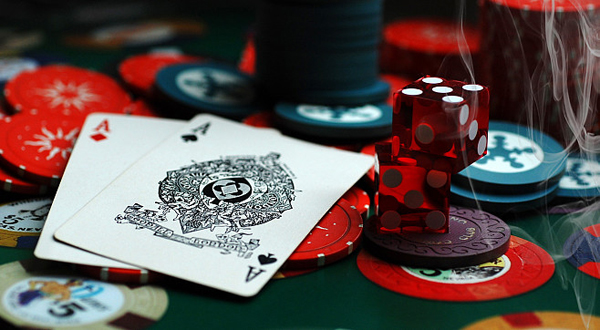
Group dynamics can also impact decision-making in gambling scenarios. Social proof—the phenomenon where individuals look to others for guidance—can lead players to engage in riskier behaviors than they might typically consider. For instance, seeing others win or lose large amounts can create a sense of urgency or competition, which can encourage individuals to increase their bets or continue playing despite mounting losses. This can amplify the thrill of the game and further entrench players in their gambling habits, often leading to a cycle of increased wagers and risk-taking.
However, the social aspect of gambling can also have negative consequences. The pressure to conform to group behaviors can lead to irrational decision-making, and in some cases, social environments can normalize excessive gambling. It is crucial for players to recognize the influence of social dynamics on their behaviors and develop strategies to maintain responsible gambling practices. Understanding the psychological effects of social interaction within casino games can ultimately promote a healthier approach to gambling, reducing the risk of addiction and fostering a more enjoyable experience.
Understanding the Psychological Aspects of Gambling
Comprehending the underlying psychological principles that drive gambling behavior is essential for both players and the industry as a whole. Through understanding the allure of risk, the environmental factors impacting decisions, the role of cognitive biases, and the influence of social dynamics, we can gain deeper insights into gambling’s complexities. This knowledge is crucial not only for encouraging responsible gambling but also for developing more effective interventions for those affected by gambling addiction.
For individuals engaging in gambling, awareness of these psychological elements can foster healthier attitudes and practices, minimizing potential harms. Additionally, casinos and gaming organizations have a responsibility to promote responsible gambling by implementing strategies that address these psychological factors. By prioritizing player welfare and understanding the psychological intricacies involved, the industry can create a more sustainable and ethical gambling environment.
In conclusion, exploring the psychology behind casino games reveals a complex interplay of cognitive, emotional, and social factors that influence players’ behaviors. By recognizing these dynamics, players can make more informed choices, and the industry can foster a gaming atmosphere that prioritizes safety and enjoyment. Ultimately, understanding these psychological aspects paves the way for a more responsible and enriching gambling experience for all involved.